
The Theology of Thrifting V
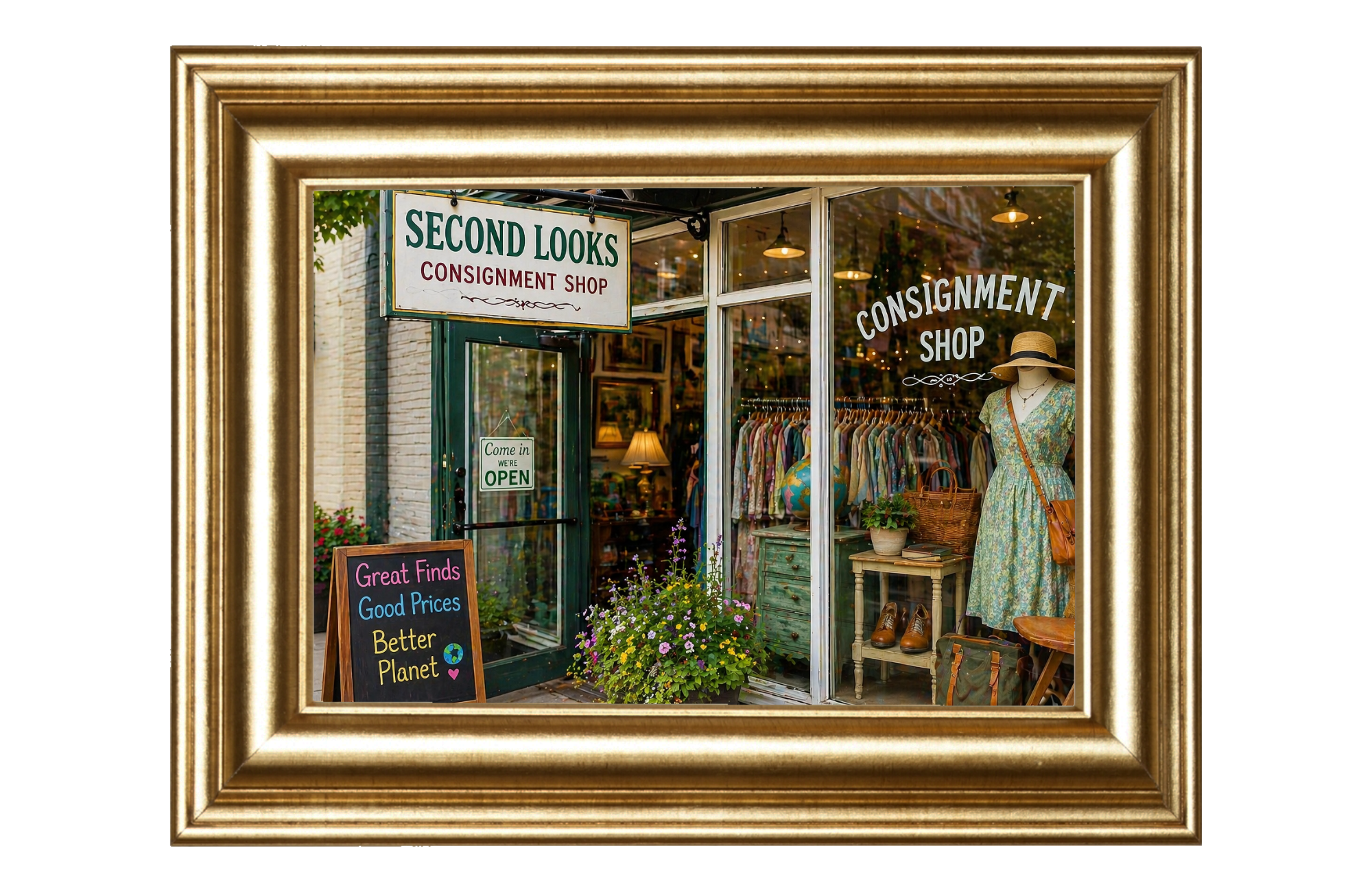
Consignment Shops
Today we speak of consignment—not charity, not thrift, but a marketplace.
Consignment boutiques are for-profit houses of commerce. They sell pre-loved goods on behalf of the faithful owner, the consignor, who trusts the shop—the consignee—to do the good work of finding them a second life. Occasionally, the shop may buy an item outright. And yes, some accept donations, though they may not solicit them.
These shops live by what is brought through their doors. And so, a consignment store that relies solely on consignments or donations may not have endless variety.
Unlike thrift, consignment is a choosy channel. Only what is seasonal, worthy, and in good or excellent condition is accepted. Typically, no more than two or three years old—unless, of course, the piece is vintage or antique, in which case the age becomes a blessing.
And let’s not forget the sacred act of curation, as this is where the value is made. Not everything that is offered up is accepted, but anything that is accepted is displayed with intention.
Pricing, too, follows doctrine. Like vintage and antique goods, consigned items are valued according to the market—by age, condition, brand, and desirability. When the item sells, the shop takes its portion—often 40% to 60%—and the remainder is returned to the original owner. In some shops, the faithful are rewarded further when they choose store credit over cash.
And if you seek examples, look no further than Chicago itself. Among the flock are newcomers like Born Again Consignment Parlor and Petals & Jackets, standing alongside long-established shops such as Elliott Consignment and My Sister’s Closet.
Go forth informed. If your interpretation differs, we welcome your testimony. Let us reason together. ✨
Love thrifting as much as we do?
If you haven’t done so already, be sure to subscribe to our weekly newsletter to ensure you don’t miss an update.