
The Rebirth of Resale
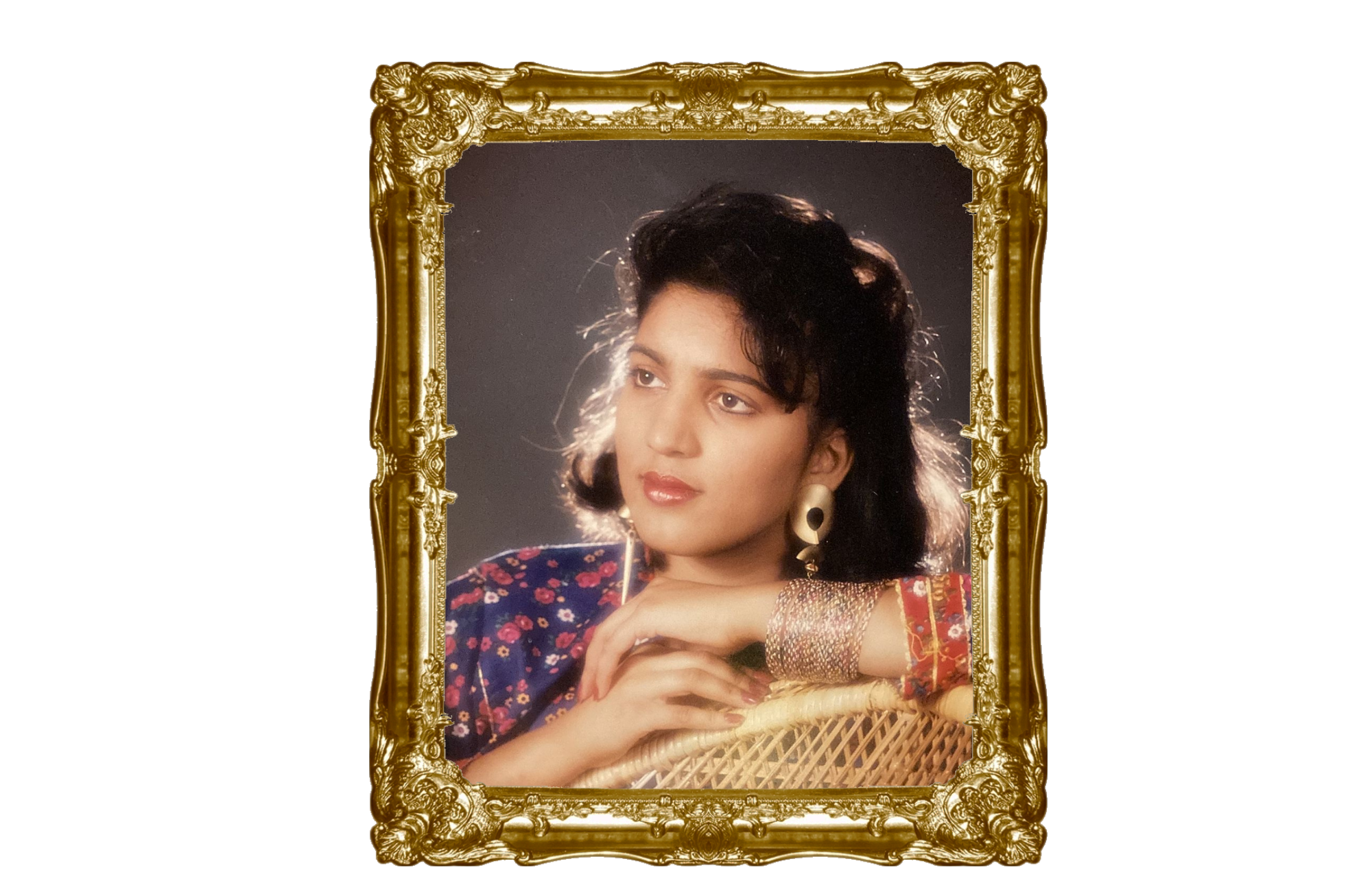
A senior glamour shot of shop owner and blog author, Summer Amin, in all her 90s glory.
Resale is everywhere now—but it wasn’t always that way.
Growing up in Houston, my entire thrifting universe consisted of two places: Goodwill and Salvation Army. That was it. Secondhand wasn’t cool, curated, or coveted. It was just… there.
Which, in truth, is less a trend—and more a return.
Before the racks were full, closets were few.
Once upon a time, every garment was made by hand. Clothing was expensive. New was rare. And so, the masses wore what came before them. Secondhand wasn’t a choice—it was survival.
Then came abundance—and the fall.
The Industrial Revolution made clothing cheaper, faster, and plentiful. As newness flooded the market, the old was discarded. By the late 1800s, secondhand had lost its shine.
But what is cast down rarely stays buried.
In the 1960s, a cultural shift took hold. People rejected sameness. They wanted meaning, individuality—stories. Vintage surged back in the ’70s and ’80s, and resale shops became sanctuaries for self-expression.
And lo, the people remembered what mattered:
Sustainability. Keep good goods out of the landfill wilderness.
Quality. The old ways were built to last.
Affordability. Style without the sticker shock.
Individuality. For the chosen, not the mass-produced.
Now, the revival is here.
Resale is booming. Prices are rising. And more people are choosing pre-loved—not just because they have to, but because they want to.
Because in a world of mass production and carbon copies, there’s something holy about finding a piece that feels like it was waiting just for you.
At Born Again Consignment Parlor, we don’t just sell secondhand—we believe in second chances.
